আরব বিশ্বের বাইরে শিশুদের আরবি বলতে উঠানো পরিবারগুলোর জন্য অন্যতম কঠিন ভাষা চ্যালেঞ্জ। আপনার সন্তান দিনে ৬-৮ ঘণ্টা ইংরেজি ব্যবহার করে স্কুলে, ইংরেজি ভাষাভাষী বন্ধুর সাথে খেলে এবং ইংরেজি মিডিয়া উপভোগ করে। আরবি হয় হোমওয়ার্কের ভাষা এবং বাধ্যবাধকতা, মজার বা সংযোগের ভাষা নয়। এই গাইডটি যুক্তরাষ্ট্র, যুক্তরাজ্য, কানাডা এবং ইউরোপে বসবাসরত পরিবারদের কাছ থেকে পরিক্ষিত কৌশল দেয় যাদের শিশুদের মধ্যে আরবি দখল রক্ষা পেয়েছে।
বিদেশে শিশুরা কেন আরবি বলতে নিষেধাজ্ঞা দেয়
এই বিরোধ বুঝতে পারা তার মোকাবিলার প্রথম ধাপ। বিদেশে থাকা শিশুদের আরবি নিয়ে অবরোধের কয়েকটি স্বাভাবিক কারণ হলো:
- সামাজিক পরিচয়: আরবি তাদের পরিচিত বন্ধুদের থেকে আলাদা করে দেয়। অনেক শিশু জনসম্মুখে আরবি বলার থেকে বিরত থাকে যাতে তারা মানিয়ে যেতে পারে।
- মানসিক চাপ: ইংরেজিতে সারাদিন ভাবনার পর আরবিতে যাওয়া ক্লান্তিকর মনে হয়।
- প্রাসঙ্গিকতা: চারপাশের সবাই ইংরেজি বলায় তারা আরবি কার্যকর মনে করেনা।
- কঠিনতা: আরবি পড়া ও লেখা ইংরেজির তুলনায় কঠিন। দৈনন্দিন স্পর্শ না থাকলে আরবি দক্ষতা দ্রুত ক্ষয় পায়।
সমাধান হল আরবি শেখানোর নিয়ম জোর করে চাপিয়ে দেওয়া নয়, বরং আরবি সেই ভাষায় পরিণত করা যা আপনার সন্তান স্ব স্বার্থে করতে চায়।
কৌশল ১: আরবি সময় তৈরি করুন, নিয়ম নয়
"আমরা বাড়িতে শুধু আরবি বলি" নিয়মটি প্রায় সময় ব্যর্থ হয় কারণ এটি প্রতিটি কথোপকথনকে ভাষা নিয়ন্ত্রণের ধরণের ব্যায়ামে রূপান্তরিত করে। পরিবর্তে নির্দিষ্ট আরবি সময় নির্ধারণ করুন যা বাধ্যতামূলক কিন্তু সীমিত:
- রাতের খাবারের কথা: পরিবারের সবাই রাতের খাবারের সময় আরবি বলে। এটি দিতে পারে ২০-৩০ মিনিট দৈনন্দিন প্রাকৃতিক কথোপকথনের চর্চা।
- ঘুমানোর গল্প: ঘুমানোর আগে আরবি বই পড়ুন। প্রতিদিন ১০ মিনিট আরবি পড়া সাক্ষরতা বজায় রাখতে সাহায্য করে।
- সপ্তাহান্ত সকাল: শনিবারের সকাল আরবির জন্য নির্ধারিত। কার্টুন, প্রাতঃরাশের কথা এবং সংক্ষিপ্ত আরবি পাঠ।
নির্দিষ্ট সময়ের শুরু ও শেষ থাকা আরবি সময়ের স্পষ্ট সীমারেখা শিশুদের প্রতিরোধ কমায় তুলনায় সারাদিনের নিয়ম যা তারা ধরে রাখতে পারে না।
কৌশল ২: আরবিকে মজার ভাষা বানান
যদি আরবি শুধুমাত্র ব্যাকরণ ও হোমওয়ার্কের সঙ্গে যুক্ত থাকে, শিশু তার থেকে বিরত থাকে। আরবিকে এমন কাজে যুক্ত করুন যা তারা উপভোগ করে:
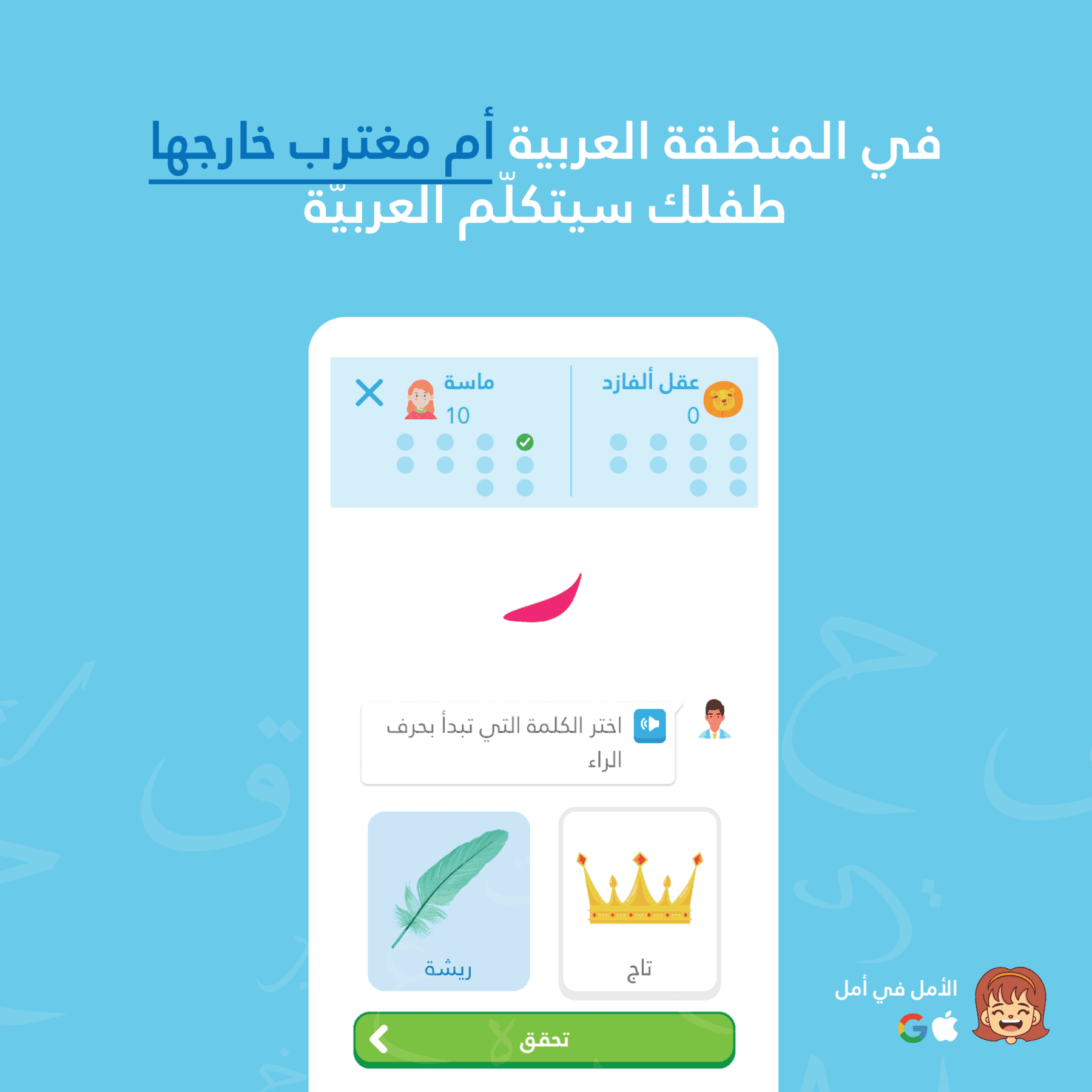
- গেমিং: Amal ব্যবহার করুন দৈনন্দিন আরবি চর্চার জন্য যা গেম খেলার মত অনুভব হয়, হোমওয়ার্কের মত নয়। এই অ্যাপে আছে ফিজিক্স ভিত্তিক গেম, অ্যানিমেশন এবং ইন্টারেকটিভ ব্যায়াম যা আরবিকে আকর্ষণীয় করে তোলে।
- মিডিয়া: আরবি কার্টুন, ইউটিউব চ্যানেল এবং সংগীত। আপনার সন্তান যেসব আরবি বিষয়বস্তু দেখতে চায় এমন একটি প্লেলিস্ট তৈরি করুন।
- রান্না: আরবি রেসিপি একসাথে রান্না করুন এবং উপাদান ও ধাপের জন্য আরবি শব্দ ব্যবহার করুন।
- ভিডিও কল: নিয়মিত আরবি ভাষাভাষী দাদা-দাদি, ভাই-বন্ধুদের সাথে কল। এতে শিশুদের আরবি ব্যবহার করার বাস্তব প্রয়োজন তৈরি হয়।
কৌশল ৩: একটি আরবি সম্প্রদায় তৈরি করুন
শিশুদের দরকার শুধু আরবি ভাষাভাষী অভিভাবক নয়, তাদের আগ্রহী বন্ধু দরকার। অনুসন্ধান করুন:
- স্থানীয় আরবি সপ্তাহান্ত্রিক বিদ্যালয় অথবা ইসলামিক সেন্টার যেগুলো আরবি প্রোগ্রাম চালায়
- নিয়মিত খেলার জন্য আরবি ভাষাভাষী পরিবার
- অনলাইন আরবি ক্লাস যেখানে একই স্তরের অন্যান্য শিশু রয়েছে
- সম্ভব হলে আরবি ভাষাভাষী দেশে গ্রীষ্মকালীন ক্যাম্প
একজন আরবি ভাষাভাষী বন্ধু শিশুদের ভাষার প্রতি মনোভাব বদলে দিতে পারে। যখন আরবি হয় সামাজিক ভাষা, পিতামাতার ভাষা নয়, তখন উৎসাহ ব্যাপক বৃদ্ধি পায়।
কৌশল ৪: অগ্রগতি ট্র্যাক করুন যাতে উৎসাহ বজায় থাকে
স্পষ্ট অগ্রগতি ছাড়া পিতামাতা ও শিশু দুজনই উৎসাহ হারায়। পরিমাপযোগ্য মাইলস্টোন ব্যবহার করুন:
- আরবি অক্ষর চিনতে ও লিখতে পারার সংখ্যা
- সক্রিয় শব্দভান্ডারে আরবি শব্দের সংখ্যা
- সরল বাক্য পড়ার দক্ষতা, পরে প্যারাগ্রাফ এবং সংক্ষিপ্ত গল্প পড়ার ক্ষমতা
- কুরআন পাঠ অগ্রগতি যদি প্রযোজ্য হয় (Thurayya ব্যবহার করে কাঠামোগত কুরআন শেখা)
Amal-এর পিতামাতার ড্যাশবোর্ড স্বয়ংক্রিয়ভাবে এই সব সূচক পরীক্ষা করে এবং দৈনিক কার্যক্রম, উচ্চারণের সঠিকতা, এবং দক্ষতা উন্নয়ন প্রদর্শন করে। সপ্তাহ বা মাস ধরে অগ্রগতি চার্টে বৃদ্ধি দেখা পরিবারগুলোকে প্ল্যাটোর সময়েও অনুপ্রেরণা দেয়।
কৌশল ৫: দ্বিভাষিক বাস্তবতা স্বীকার করুন
আপনার সন্তানের আরবি কায়রো বা রিয়াধে বড় হওয়া শিশুর মতো নাও হতে পারে। ঐতিহ্যগত ভাষাভাষীরা বিভিন্ন কিন্তু সঠিক আরবি দক্ষতা গড়ে তোলে। কোড-সুইচিং (আরবি ও ইংরেজির মিশ্রণ) স্বাভাবিক দ্বিভাষিক বিকাশের অংশ হিসেবে গ্রহণ করুন, এটিকে ব্যর্থতা ভাববেন না। ব্যাকরণগত নিখুঁততার চেয়ে যোগাযোগের সক্ষমতায় মনোযোগ দিন। পরিবারে স্বাচ্ছন্দ্যে আরবি বলতে পারা, যদিও ইংরেজি শব্দ থাক, সেটি সফলতা।
প্রায়শই জিজ্ঞাসিত প্রশ্নাবলী
বিদেশে আরবি শেখানো কখন শুরু করা অনেক দেরি হয়?
কখনোই দেরি নয়, তবে পদ্ধতি ভিন্ন হয়। ৭ বছরের নিচে শিশুরা যথেষ্ট নিয়মিত স্পর্শের মাধ্যমে নিকটতম মায়ের ভাষার মত দক্ষতা অর্জন করতে পারে। ৭-১২ বছর বয়সী শিশুরা শক্তিশালী কথোপকথন ও পাঠ দক্ষতা অর্জন করতে পারে। কিশোররা কার্যকরভাবে আরবি শিখতে পারে তবে সম্ভবত উচ্চারণ থাকবে এবং আরও কাঠামোবদ্ধ শিক্ষা প্রয়োজন হতে পারে। যত ছোট বয়সে শুরু করবেন, তত সহজ; তবে দেরিতে শুরু করাটাই না করাটার চেয়ে ভালো।
আরবি দক্ষতা বজায় রাখতে শিশুদের প্রতি সপ্তাহে কত ঘণ্টা আরবি স্পর্শ দরকার?
গবেষণা অনুযায়ী, কথা বলার দক্ষতা বজায় রাখার জন্য সাপ্তাহিক অন্তত ৫-৭ ঘণ্টা অর্থপূর্ণ আরবি ব্যবহার জরুরি। এতে কথোপকথন, মিডিয়া, পড়া এবং অ্যাপভিত্তিক চর্চা অন্তর্ভুক্ত। ৫ ঘণ্টার কম হলে ভাষার ধীরে ধীরে ক্ষয় হয়, যেখানে শিশু আরবি বুঝলেও ইংরেজিতেই উত্তর দেয়।
আমার সন্তানকে আরবি সপ্তাহান্ত্রিক বিদ্যালয়ে ভর্তি করানো উচিত কি?
কিছু শিশুর জন্য সপ্তাহান্ত্রিক স্কুল কার্যকর, আবার কারো জন্য নয়। প্রধান সুবিধা হল সামাজিক: আপনার সন্তান অন্যান্য আরবি ভাষাভাষী শিশুদের সাথে মেলামেশা করে। প্রধান ঝুঁকি হল পুরনো শিক্ষাদান পদ্ধতি (রটন, ব্যাকরণ চর্চা) শিশুদের আরবি অনিচ্ছুক করে দেয়। স্কুলের পরিদর্শন করুন, একটি ক্লাস পর্যবেক্ষণ করুন, এবং প্রথম মাস শেষে আপনার সন্তানের মতামত নিন। সপ্তাহান্ত্রিক স্কুলের পাশাপাশি Amal মত ব্যস্ততাসম্পন্ন সরঞ্জাম ব্যবহার করুন।
আমার সন্তান আরবি বলতে অস্বীকার করলে কী করব?
অস্বীকৃতির জন্য শাস্তি বা তিরস্কার করবেন না। পরিবর্তে, আপনি আলাপ চালিয়ে যান যদিও সে ইংরেজিতেই জবাব দেয়। এতে তার বোঝার দক্ষতা বজায় থাকে। আরবি সময় সংক্ষিপ্ত ও আনন্দদায়ক করুন। প্রায়ই প্রতিরোধ কমে যখন তারা আরবিতে কিছু উপভোগ্য পায়, তা হয় কোনো শো, গেম অথবা বন্ধু। ধৈর্য এবং ধারাবাহিকতা জোরজবরদস্তি থেকে বেশি কার্যকর।

