
عربی حروف تہجی میں 28 حروف ہوتے ہیں جو دائیں سے بائیں لکھے جاتے ہیں، اور ہر حرف کے چار مختلف انداز ہوسکتے ہیں جو لفظ میں اس کی جگہ کے مطابق ہوتے ہیں۔ بچوں کے لیے عربی سیکھنا، خاص طور پر بیرون ملک مقیم بچوں کے لیے، بہترین آغاز ہے انفرادی حرف کی پہچان اور آواز سے حرف کو ملانا۔ امال ایپ تمام 28 حروف کو متحرک ٹریسنگ، تلفظ، اور انٹرایکٹو گیمز کے ساتھ سکھاتی ہے۔
عربی کے 28 حروف: ایک مختصر جائزہ
عربی کے حروف یہ ہیں: أ ب ت ث ج ح خ د ذ ر ز س ش ص ض ط ظ ع غ ف ق ك ل م ن ه و ي۔ انگریزی کے برعکس، ہر حرف کی ایک مخصوص آواز ہوتی ہے جو تبدیل نہیں ہوتی — جس کی وجہ سے عربی زبان میں آوازیں سیکھنا آسان اور یکساں ہوتا ہے۔
عربی حروف کے چار انداز
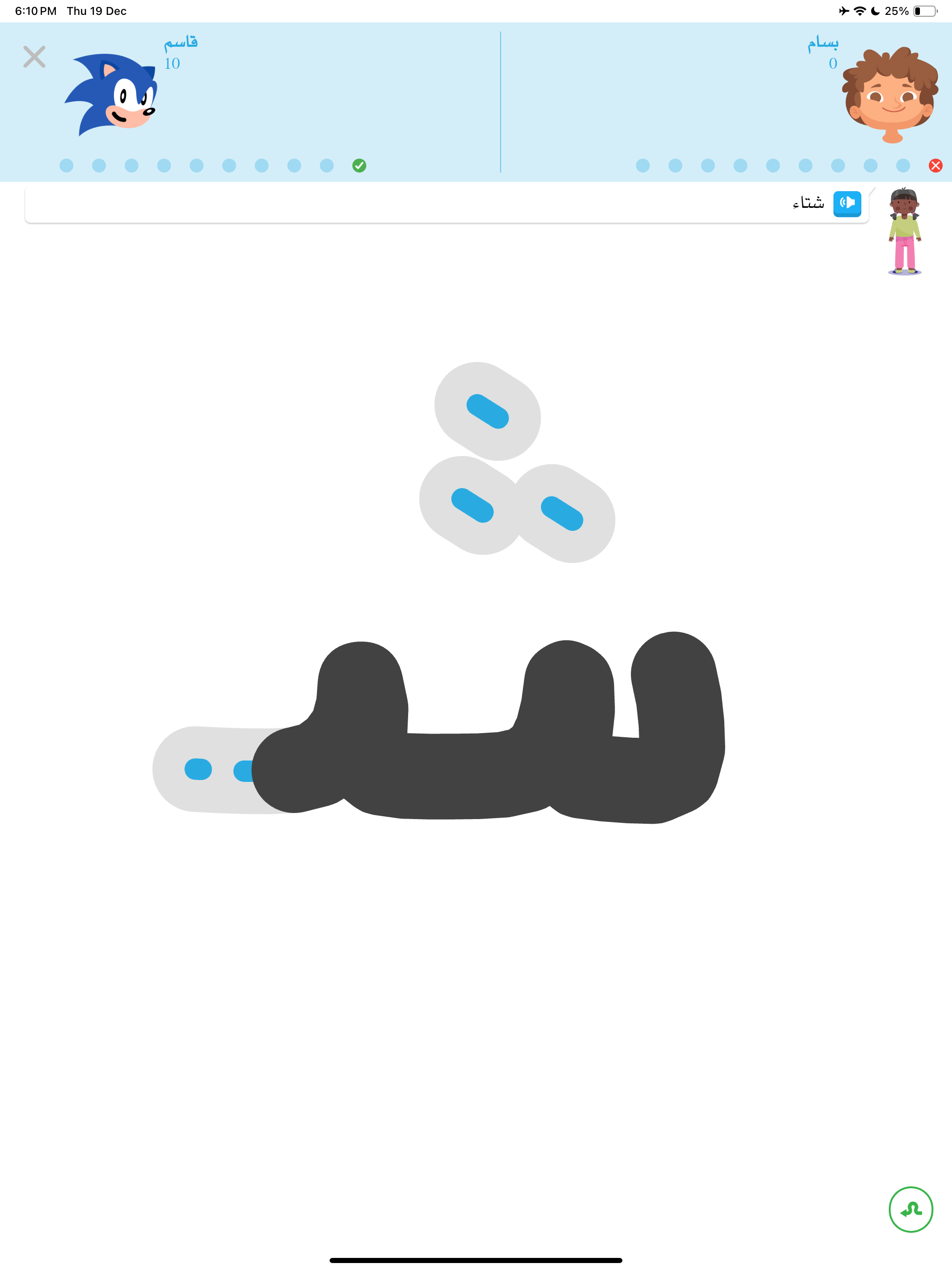
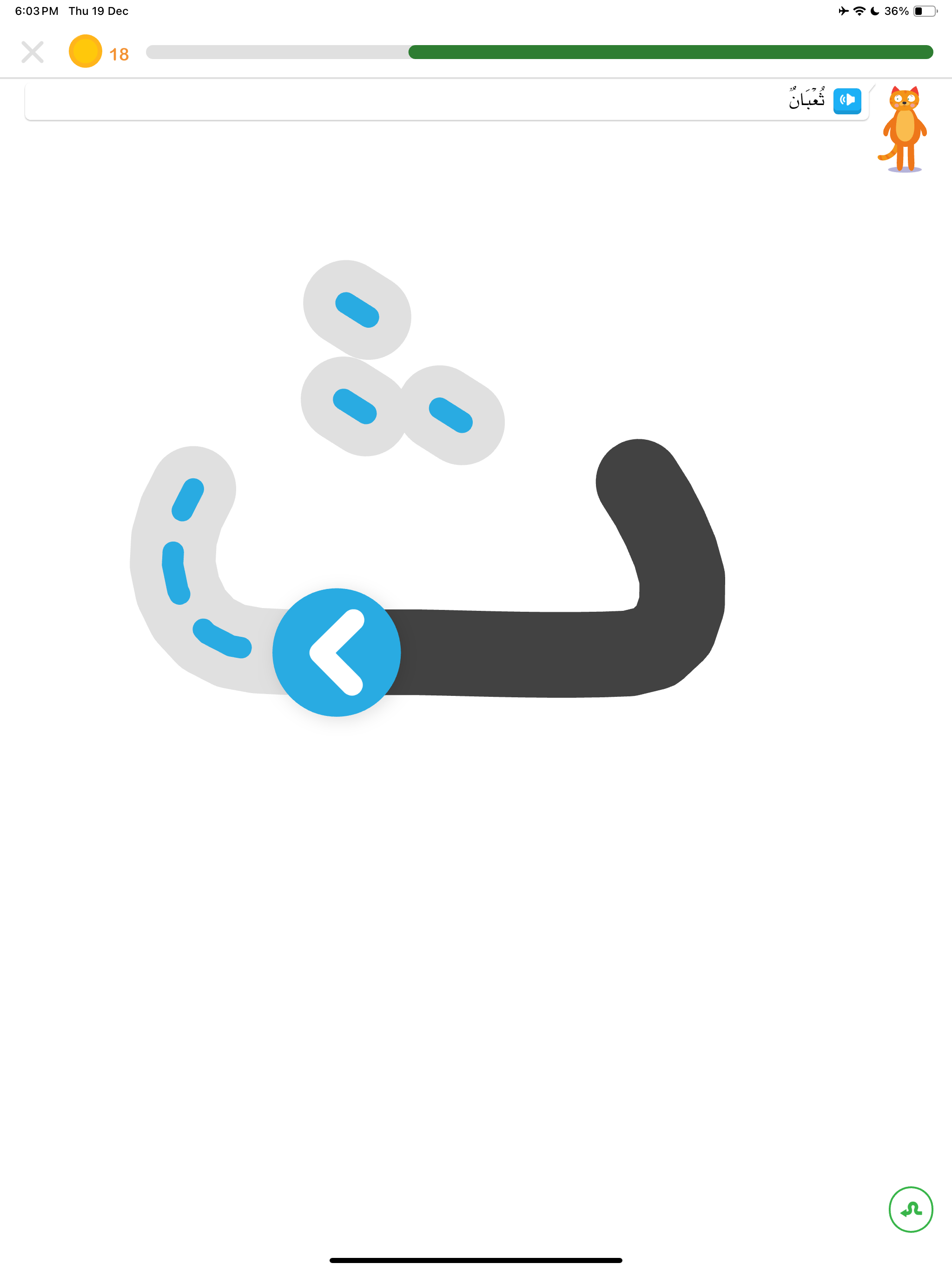
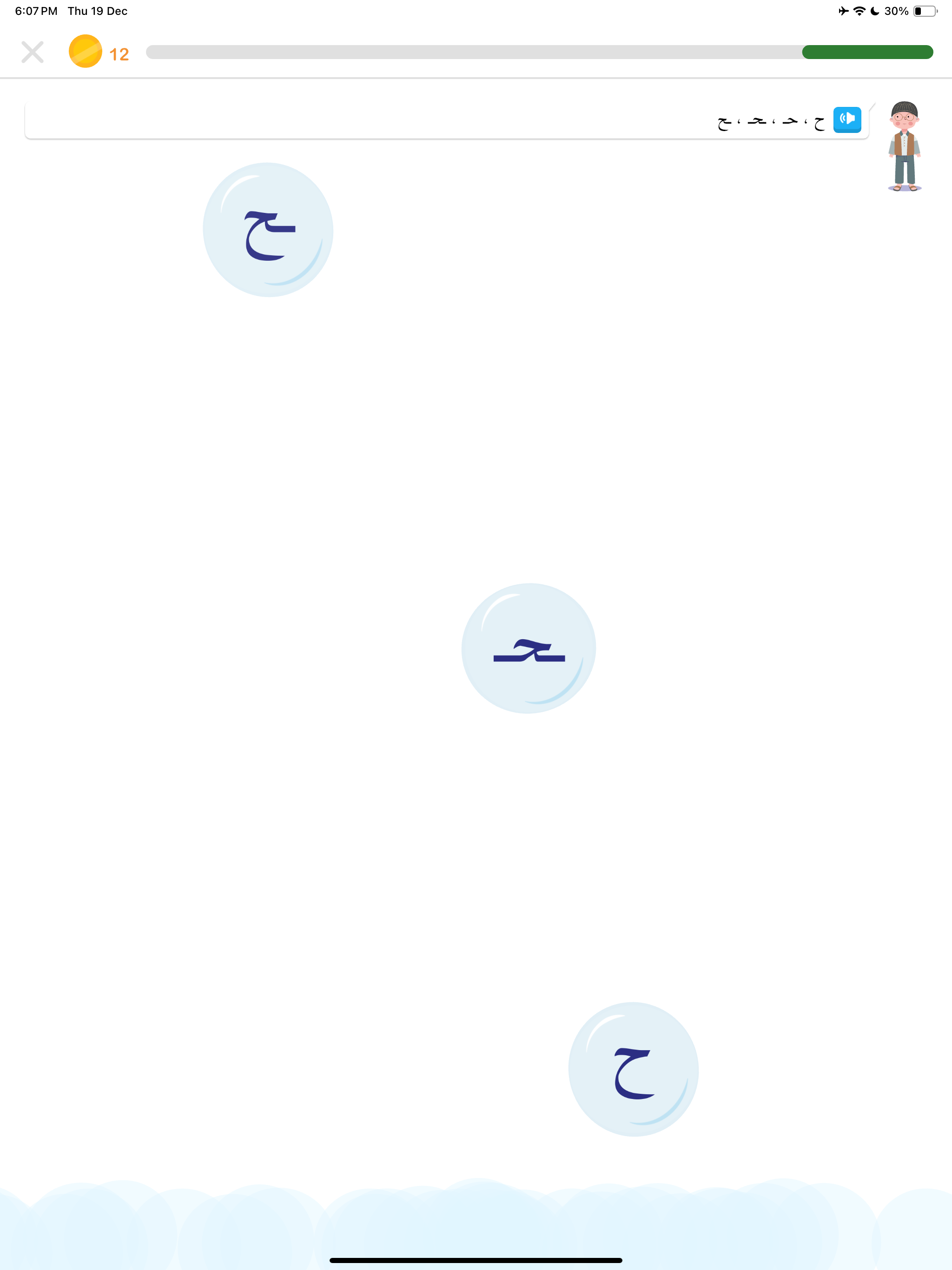
عربی خواندگی کی سب سے بڑی مشکلات میں سے ایک یہ ہے کہ اکثر حروف کے چار مختلف شکلیں ہوتی ہیں: مخفف (اکیلے)، ابتدائی (لفظ کے آغاز میں)، وسطی (لفظ کے وسط میں)، اور آخری (لفظ کے آخر میں)۔ بچوں کو تمام چار صورتیں سیکھنی ہوتی ہیں۔ امال ایپ ہر شکل کو تدریجی طور پر متعارف کراتی ہے، پہلے مخفف شکلیں اور پھر متصل شکلیں معنی کے ساتھ۔
عربی حروف تہجی سیکھنے کی بہترین عمر
بچے عمر 2-3 سال سے حروف کو پہچاننا شروع کر سکتے ہیں جو کھیل اور ماحول سے ممکن ہوتا ہے۔ متظم حروف تہجی سیکھنا عام طور پر عمر 4-5 سال میں سب سے بہتر ہوتا ہے۔ عمر 7-8 سال تک، زیادہ تر بچے مناسب تعلیم کے ساتھ بنیادی عربی الفاظ پڑھ سکتے ہیں۔ امال ایپ 3-6 سال (آڈیو مرکز اور آسان) اور 6-15 سال (مکمل پڑھائی، لکھائی، اور گرائمر) کے لیے مخصوص مواد فراہم کرتی ہے۔
گھر پر عربی حروف تہجی سکھانے کے لیے مشورے
- مشہور اور آسان حروف سے شروع کریں: اپنے بچے کے نام میں شامل حروف پہلے سکھائیں۔
- حروف کے نام نہیں، آوازیں سکھائیں: ہر حرف کی آواز پر دھیان دیں نہ کہ اس کے عربی نام پر۔
- روزانہ مختصر سیشن میں مشق کریں: روزانہ 10 منٹ کا مطالعہ ہفتہ وار 1 گھنٹہ سے بہتر ہوتا ہے۔
- بصری، صوتی اور تحریری عناصر کو ملائیں: جو بچے لکھتے ہوئے حرف کی آواز سُنتے ہیں، وہ 3 گنا تیزی سے سیکھتے ہیں۔
- پیش رفت کا جشن منائیں: ہر سیکھا ہوا حرف منانے کے لائق ہے۔
امال ایپ کس طرح عربی حروف تہجی سکھاتی ہے
امال میں ہر حرف کو یوں سکھایا جاتا ہے: (1) متحرک مظاہرے کے ساتھ مقامی تلفظ کی آڈیو، (2) پہچاننے کی مشق کے لیے انٹرایکٹو گیمز، (3) ہاتھ سے لکھنے کی رہنمائی کے لیے ٹریسنگ، اور (4) الفاظ اور جملوں میں حرف کے استعمال کی مشق۔ AI یہ ٹریک کرتی ہے کہ آپ کے بچے نے کون سے حروف سیکھ لیے اور کون سے مزید مشق کے محتاج ہیں۔
اکثر پوچھے گئے سوالات
عربی حروف تہجی سیکھنے میں کتنا وقت لگتا ہے؟
روزانہ 15-20 منٹ کی مسلسل مشق کے ساتھ، زیادہ تر 5-7 سال کے بچے 3-6 ماہ میں تمام 28 حروف پہچان سکتے ہیں۔ متصل الفاظ پڑھنے میں زیادہ وقت لگتا ہے — تقریباً 6-12 ماہ کی باقاعدہ مشق درکار ہوتی ہے۔
کیا عربی حروف بچوں کے لیے مشکل ہیں؟
عربی کا آواز-حرف کا نظام یکساں ہے، جو اسے انگریزی کی نسبت آسان بناتا ہے۔ مشکل چیزیں چار حروف کی شکلیں اور دائیں سے بائیں لکھائی ہیں۔ امال جیسی منظم ایپس ان مسائل کو مؤثر طریقے سے حل کرتی ہیں۔
کیا پہلے عربی حروف سکھانے چاہئیں یا قرآن کی تلاوت؟
پہلے عربی حروف۔ مضبوط عربی پڑھنے کی بنیاد قرآن کی تلاوت میں آسانی پیدا کرتی ہے۔ جب آپ کا بچہ عربی پڑھنا سیکھ جائے، تو ثریا AI-مدد یافتہ قرآن تلاوت کی مشق فراہم کرتی ہے۔