
Arapsko pismo ima 28 slova, piše se s desna na lijevo, a svako slovo može imati do 4 različita oblika ovisno o položaju u riječi. Za djecu koja uče arapski – posebno djecu u dijaspori – najbolji početak je prepoznavanje pojedinačnih slova uz povezivanje zvuka sa slovom. Amal aplikacija uči svih 28 slova kroz animirano praćenje, izgovor i interaktivne igre.
Koja su 28 arapskih slova: Brzi pregled
Arapska slova su: أ ب ت ث ج ح خ د ذ ر ز س ش ص ض ط ظ ع غ ف ق ك ل م ن ه و ي. Za razliku od engleskog, svako slovo ima jedinstveni zvuk koji se ne mijenja – što čini arapski fonetski dosljednim nakon što se zvukovi nauče.
Četiri oblika arapskih slova
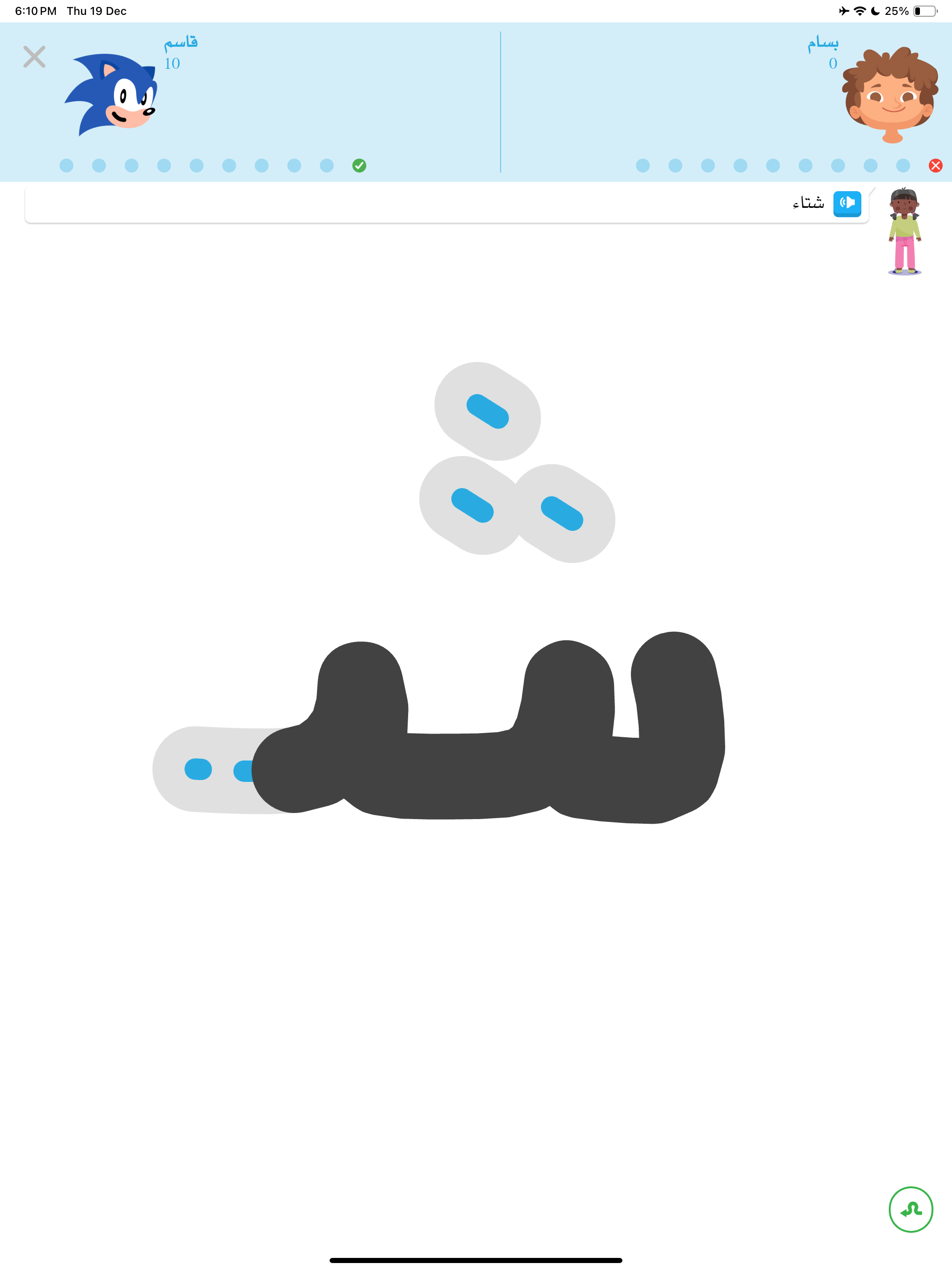
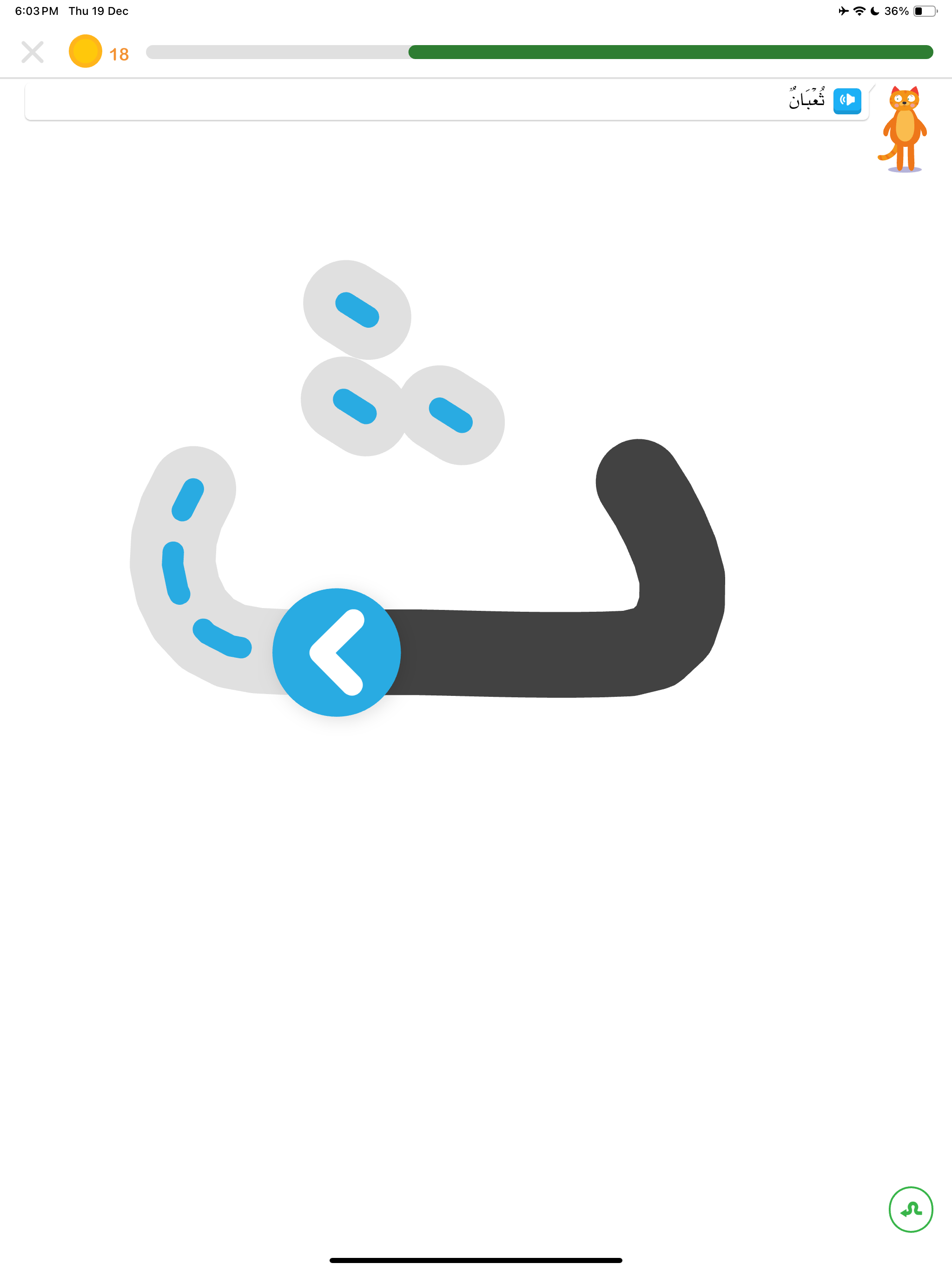
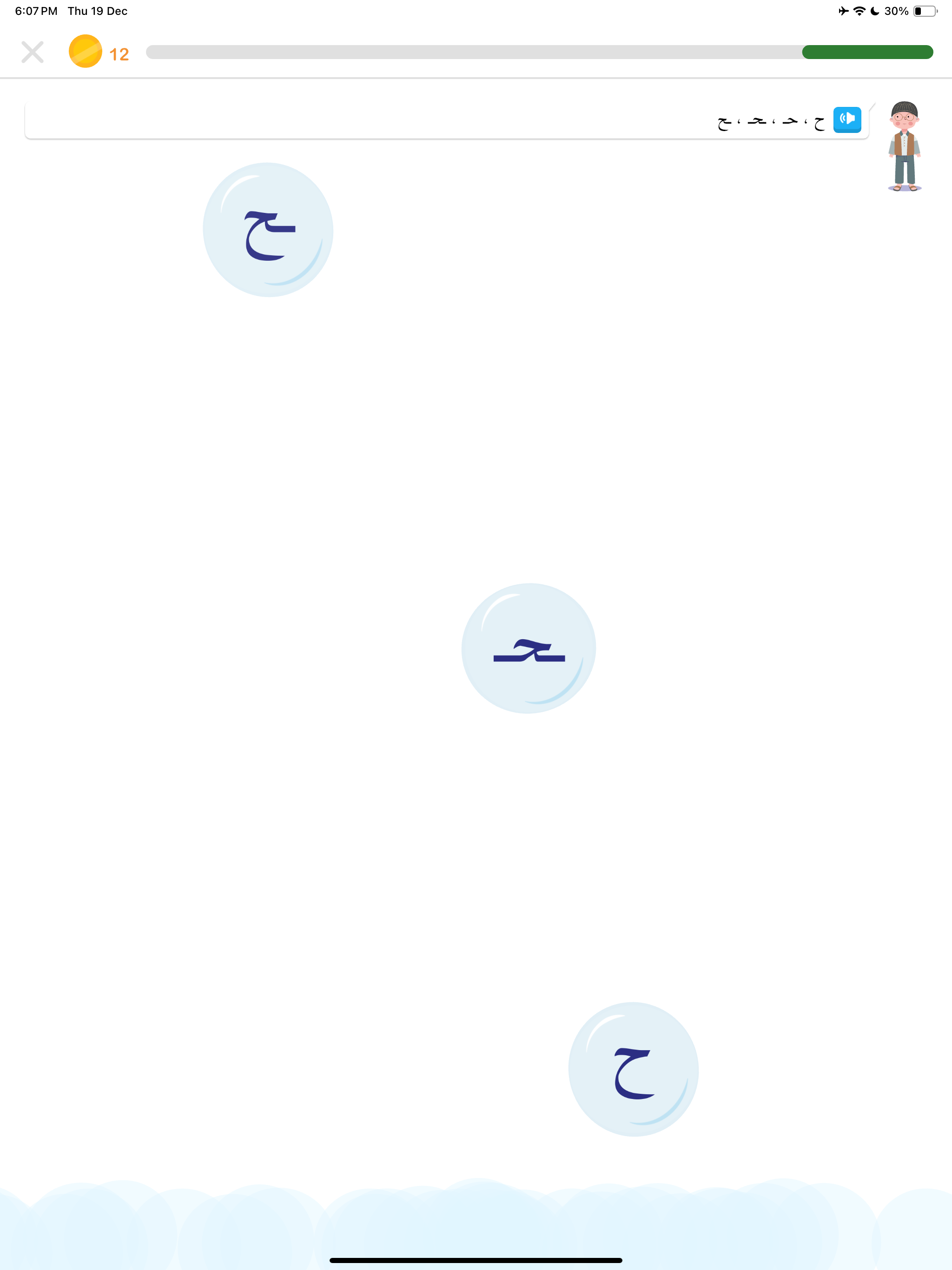
Jedan od najvećih izazova u arapskoj pismenosti je da većina slova ima 4 različita oblika: izolovani (samostalni), početni (na početku riječi), srednji (u sredini riječi) i završni (na kraju riječi). Djeca moraju naučiti sva četiri oblika. Amal aplikacija uvodi svaki oblik postupno, počevši od izolovanih oblika prije nego što predstavi povezane oblike u kontekstu.
Najbolja dob za početak učenja arapskog pisma
Djeca mogu početi prepoznavati arapska slova već sa dvije do tri godine kroz izloženost i igru. Strukturirano učenje pisma obično najbolje djeluje od 4-5 godina. Do 7-8 godine, većina djece može čitati osnovne arapske riječi uz pravilnu nastavu. Amal aplikacija ima namjenski sadržaj za uzrast 3-6 godina (pojednostavljen, audio fokusiran) i 6-15 godina (puno čitanje, pisanje, gramatika).
Savjeti za podučavanje arapskog pisma kod kuće
- Počnite sa poznatim slovima: prvo učite slova koja se nalaze u djetetovom imenu.
- Koristite zvukove slova, ne imena: fokusirajte se na izgovor svakog slova, a ne na njegovo arapsko ime.
- Vježbajte svakodnevno u kratkim sesijama: 10 minuta dnevno bolje je od jednog sata jednom sedmično za zadržavanje pisma.
- Kombinujte vizuelno, audio i pisanje: djeca koja prate slovo dok čuju njegov zvuk uče 3 puta brže.
- Slavite svaki napredak: svako savladano slovo zaslužuje pohvalu.
Kako Amal uči arapsko pismo
U Amalu svako slovo se predstavlja kroz: (1) animiranu demonstraciju s audio izgovorom izvornog govornika, (2) interaktivne igre za vježbu prepoznavanja, (3) vođeno praćenje za pisanje rukom i (4) aktivnosti čitanja koje prikazuju slovo u riječima i rečenicama. AI prati koja su slova vašem djetetu savladana, a kojima treba dodatna praksa.
Često postavljana pitanja
Koliko vremena treba za naučiti arapsku abecedu?
Uz redovnu dnevnu praksu od 15-20 minuta, većina djece od 5 do 7 godina može prepoznati svih 28 slova u roku od 3-6 mjeseci. Čitanje povezanih riječi traje duže – obično 6-12 mjeseci redovnog vježbanja.
Je li arapsko pismo teško za djecu?
Arapski ima dosljedan sistem zvukova i slova, što ga čini lakšim za dekodiranje nego engleski. Izazovi su četiri oblika slova i pisanje s desna na lijevo. Strukturirane aplikacije poput Amal-a sistematski rješavaju te izazove.
Šta prvo treba učiti – slova ili učenje Kur'ana?
Prvo arapska slova. Čvrsta osnova u čitanju olakšava kasnije učenje Kur'ana. Kada vaše dijete nauči čitati arapski, Thurayya nudi AI vođenu praksu učenja Kur'ana.