How to Combine Arabic and Quran Learning at Home
A practical daily routine for parents who want to teach both Arabic and Quran without overwhelming their child or relying on long lessons.
How Can My Child Learn Arabic and Quran Together at Home?
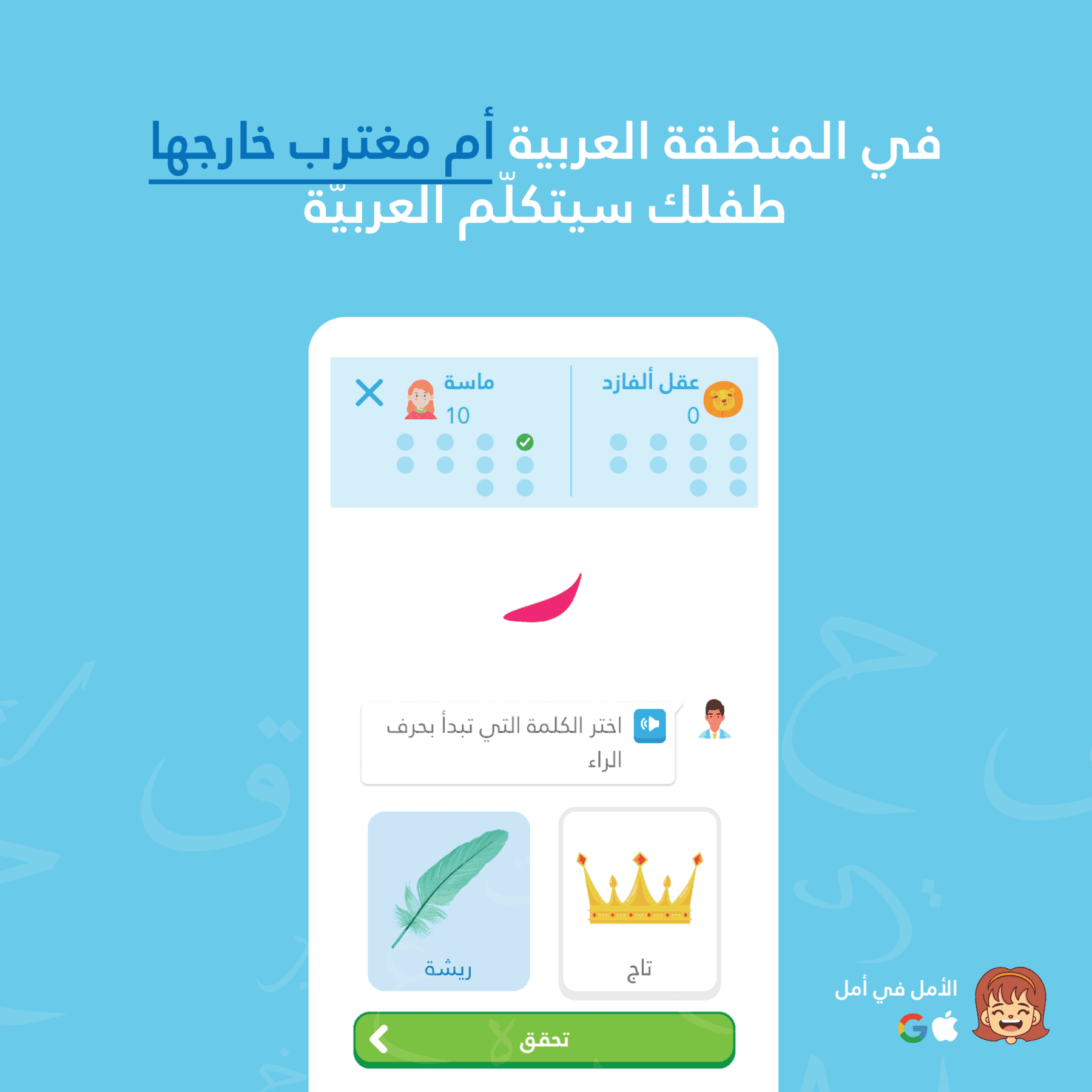
Your child can learn Arabic and Quran together at home by separating the goals but keeping the routine simple. Use Amal for Arabic reading, pronunciation, and vocabulary in one short session, then use Thurayya for Quran recitation and Juz Amma practice in a second short session. Ten to fifteen minutes per session is enough if it happens consistently.
Why the Goals Should Be Separate
Arabic learning and Quran learning support each other, but they are not identical tasks. Arabic literacy builds letter recognition, reading fluency, and pronunciation confidence. Quran learning adds recitation discipline, tajweed, memorization, and Nooraniyya-based progression. When parents try to do everything in one long block, children often lose focus. Short, goal-specific sessions work better.
A Simple Daily Routine
Morning: ten minutes in Amal. Focus on letters, reading, or pronunciation. Afternoon or evening: ten minutes in Thurayya. Focus on one ayah, one short surah, or one Nooraniyya exercise. Weekend: review what felt easy, what felt difficult, and what the child enjoyed most.
This structure keeps the routine sustainable. It also makes it easier for parents who are not fully fluent, because each app handles its own teaching job clearly.
Which App Comes First?
If the child is still learning Arabic letters and cannot read simple words, start with Amal first and add Thurayya later or keep the Quran practice very light. If the child already recognizes Arabic comfortably and the family priority is Quran recitation, introduce Thurayya earlier. Families do not need to wait for perfect Arabic before touching the Quran, but they do need realistic expectations about the child's stage.
How to Avoid Burnout
Keep the routine short. Stop before the child is exhausted. Do not turn every session into a test. Some days the win is simple consistency. Other days the win is a full surah review or a strong reading session. Parents who sustain the routine over months usually get better results than parents who push for intensity in week one.
What Non-Fluent Parents Should Do
Your role is not to replace a teacher. Your role is to protect the habit. Open the apps, sit with your child for the first few minutes, celebrate effort, and connect the routine to a larger purpose. Amal helps with the Arabic base. Thurayya helps with Quran practice. You create the home environment that makes both normal.
Frequently Asked Questions
Can my child use both apps in one day?
Yes. Short sessions are often better than one long mixed lesson.
Should I start with Arabic or Quran?
Start with the child's immediate need. Use Amal for literacy foundations and Thurayya for recitation goals.
How long should each session be?
For most children, ten to fifteen minutes per app is enough when practiced consistently.