
Вы можете научить своих детей арабскому языку дома, даже если ваш арабский не совершенен или ограничен. Главное — регулярность, а не идеал: короткие ежедневные занятия эффективнее редких интенсивных. Используя правильные инструменты, родители-диаспоры в странах, где не говорят по-арабски, успешно растят билингвов, сочетая структурированные приложения, арабские медиа и разговорную практику.
Почему арабский дома важнее, чем в школе
Исследования показывают, что дети лучше всего изучают язык в эмоционально значимых контекстах — а дом является самым важным эмоциональным окружением. Уже 20 минут арабского в день дома дают прочные языковые связи сильнее, чем еженедельный урок в школе. Важно сделать арабский естественным и радостным, а не как домашнее задание.
Система из 5 шагов для обучения арабскому дома
Шаг 1: Создайте ежедневный режим (15-30 минут)
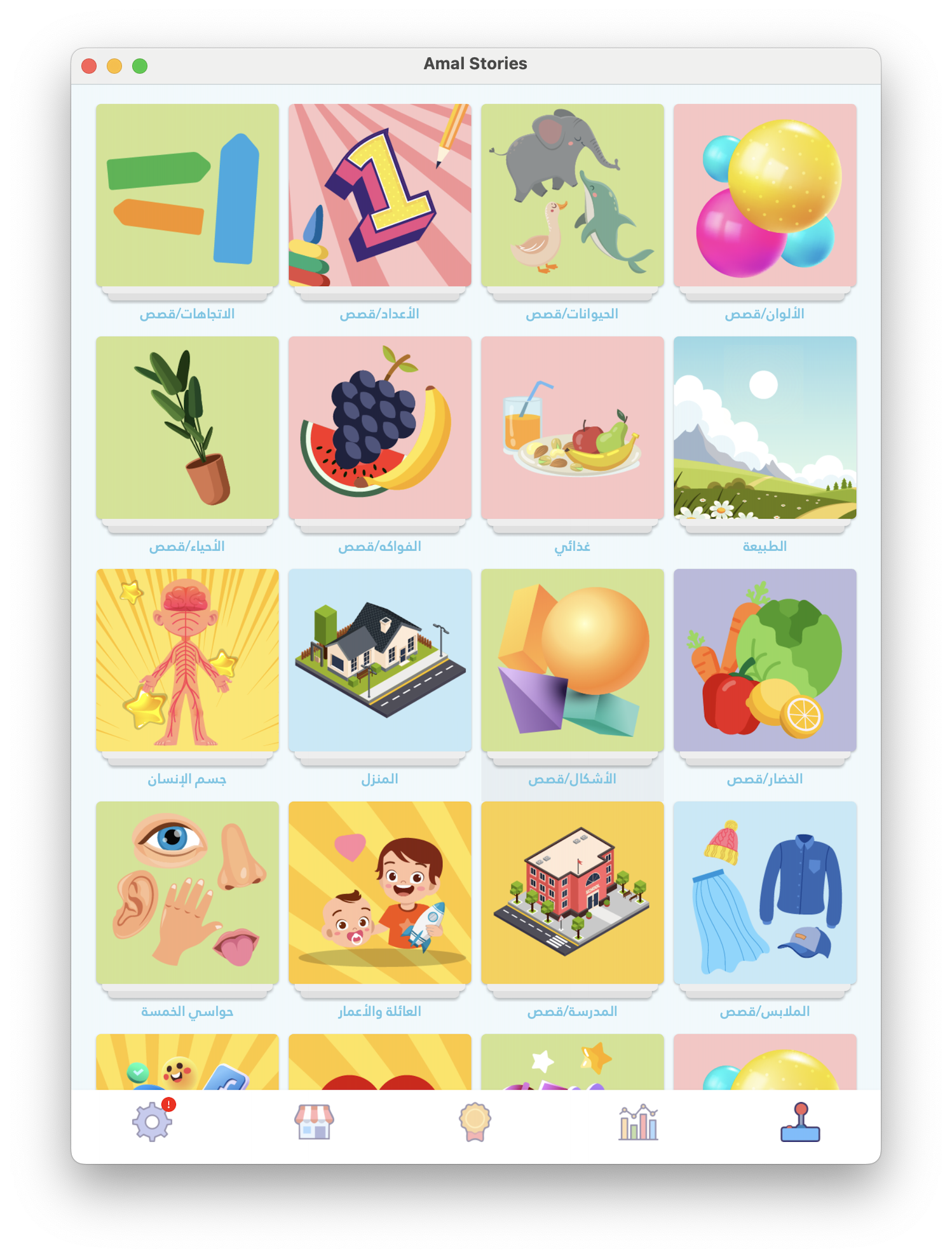
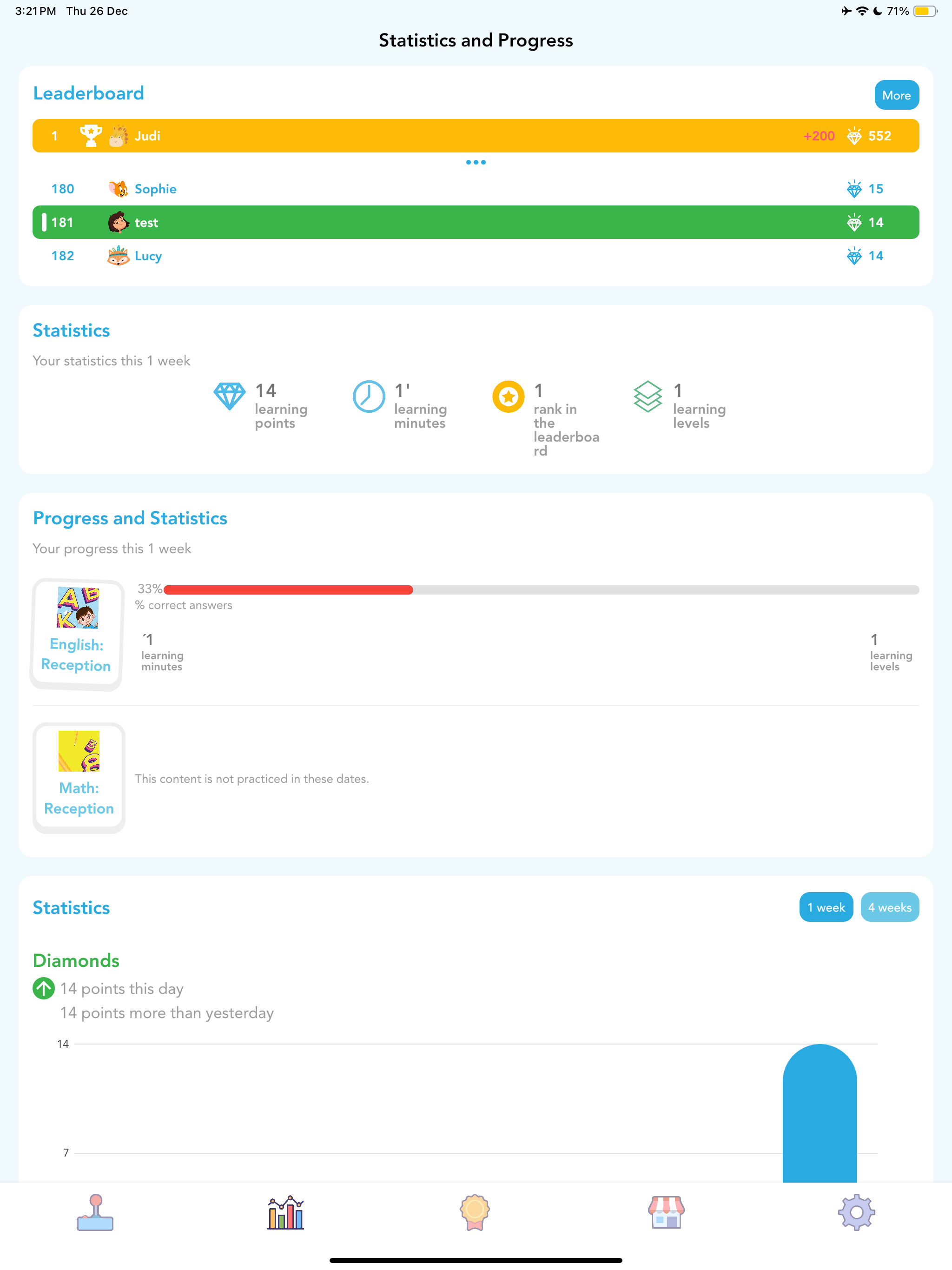
Регулярность — ключ к успеху. Ежедневные 20 минут занятий лучше, чем 2 часа раз в неделю. Используйте структурированное приложение, например Amal, для основного обучения, дополняя песни, рассказы или разговоры на арабском.
Шаг 2: Говорите на арабском в повседневной жизни
Обозначайте предметы вокруг дома на арабском. Считайте арабские числа во время купания. Спрашивайте «как это по-арабски?» за столом. Эти микро-моменты со временем создают настоящий билингвизм.
Шаг 3: Используйте арабские медиа
Арабские мультфильмы, песни и аудиокниги знакомят детей с естественной речью. Даже 20-30 минут арабских медиа в день — ценный языковой ввод.
Шаг 4: Связывайте арабский с культурой и идентичностью
Дети учат языки, которые для них значимы. Свяжите арабский с семьёй, культурой, наследием и верой. «Арабский — язык наших бабушек и дедушек, Корана и нашего народа» — вдохновляет больше, чем «тебе нужно изучать арабский».
Шаг 5: Используйте приложения с искусственным интеллектом для произношения
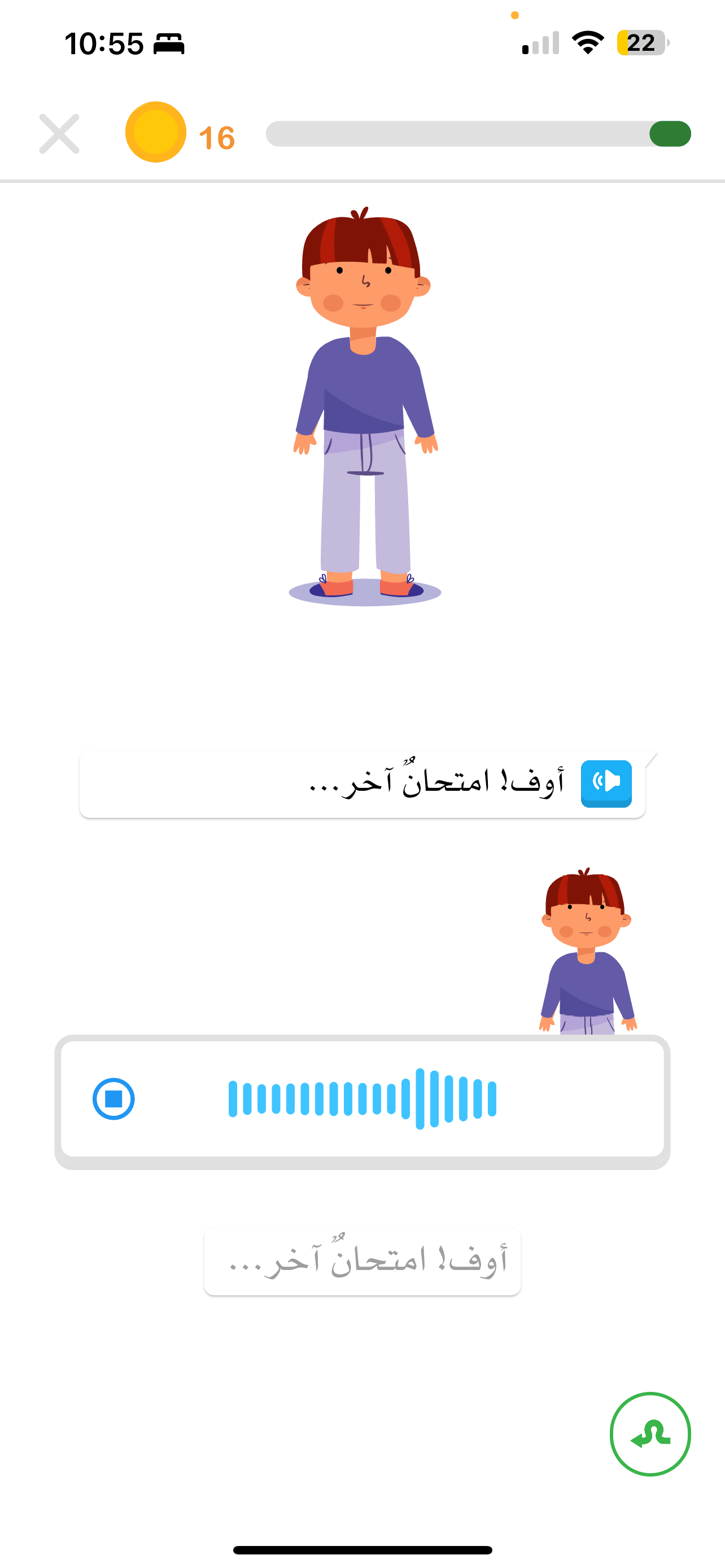
Родители с базовым арабским часто переживают из-за неправильного произношения. Здесь незаменимы приложения с распознаванием речи AI, такие как Amal — ИИ даёт точную обратную связь по произношению даже без знаний родителей.
Часто задаваемые вопросы
Что делать, если я говорю только немного по-арабски?
Используйте то, что знаете, и дополняйте приложениями. Ребёнку не нужен идеальный учитель арабского, а стабильное окружение и поддержка. Доверьте структурированное обучение Amal, а сами создайте арабоязычную атмосферу дома.
С какого возраста начинать?
Чем раньше — тем лучше. Мозг детей наиболее восприимчив к языкам до 7 лет. Но никогда не поздно — даже подростки могут стать свободными с правильным подходом и регулярностью.
Как поддерживать мотивацию ребёнка?
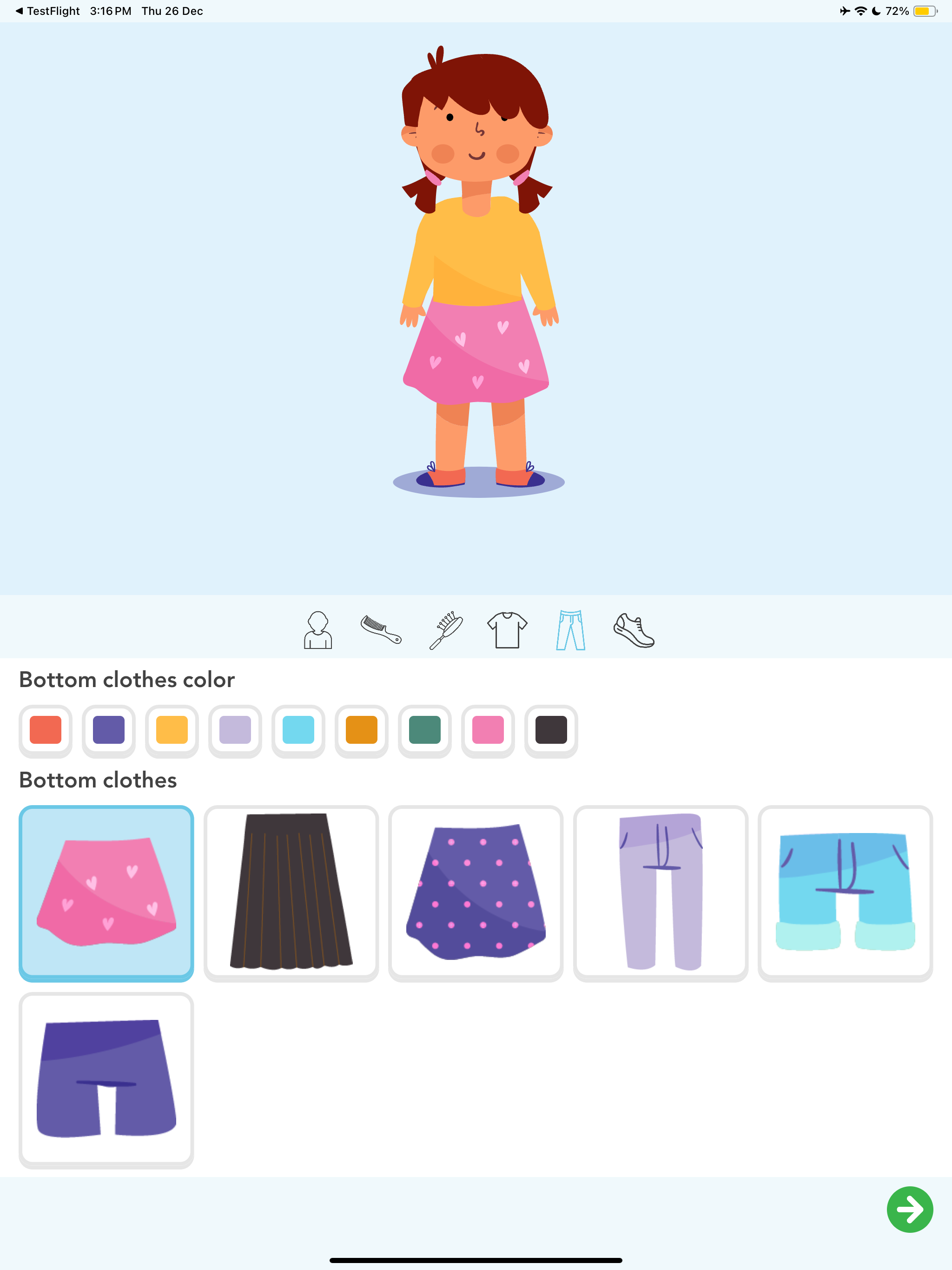
Делайте обучение весёлым, празднуйте достижения, связывайте арабский с любимыми вещами. Игровые приложения, как Amal, используют баллы, награды и персонажей для внутренней мотивации. Не превращайте изучение в обязанность или источник стресса.