
Anda dapat mengajarkan bahasa Arab kepada anak-anak di rumah meskipun kemampuan bahasa Arab Anda terbatas atau sudah jarang digunakan. Kuncinya adalah konsistensi daripada kesempurnaan — paparan singkat setiap hari lebih efektif daripada sesi intensif sesekali. Dengan alat yang tepat, orang tua diaspora di negara non-Arab berhasil membesarkan anak bilingual menggunakan gabungan aplikasi terstruktur, media Arab, dan praktik percakapan.
Mengapa Bahasa Arab di Rumah Lebih Penting daripada di Sekolah
Riset menunjukkan bahwa anak-anak belajar bahasa secara efektif melalui konteks yang bermakna secara emosional — dan rumah adalah lingkungan paling bermakna dalam kehidupan anak. Bahkan 20 menit berbahasa Arab di rumah setiap hari menciptakan koneksi bahasa yang lebih kuat dibandingkan kelas bahasa Arab mingguan di sekolah. Kuncinya adalah membuat bahasa Arab terasa alami dan menyenangkan, bukan seperti pekerjaan rumah.
Sistem 5 Langkah Mengajarkan Bahasa Arab di Rumah
Langkah 1: Bangun Rutinitas Harian (15-30 menit)
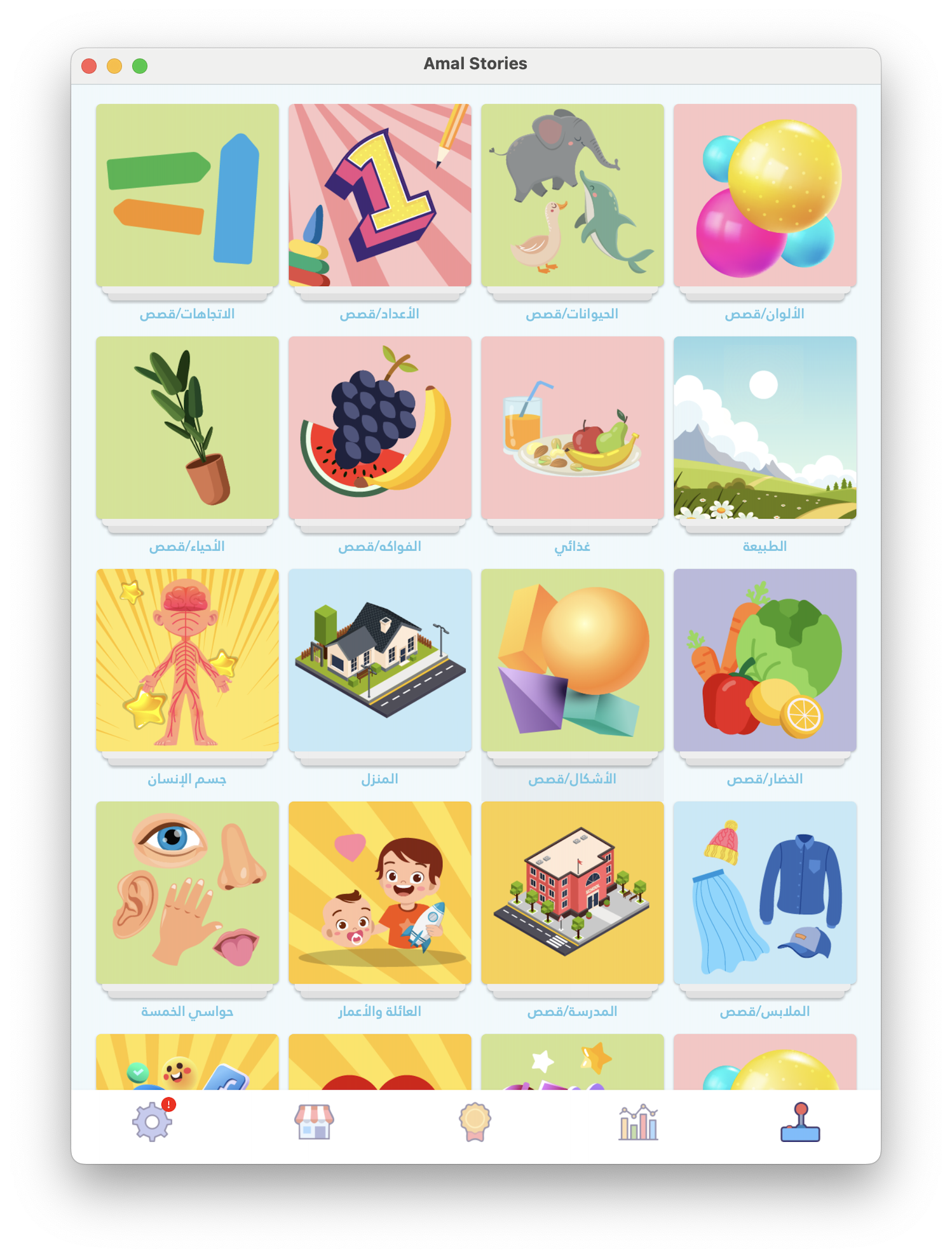
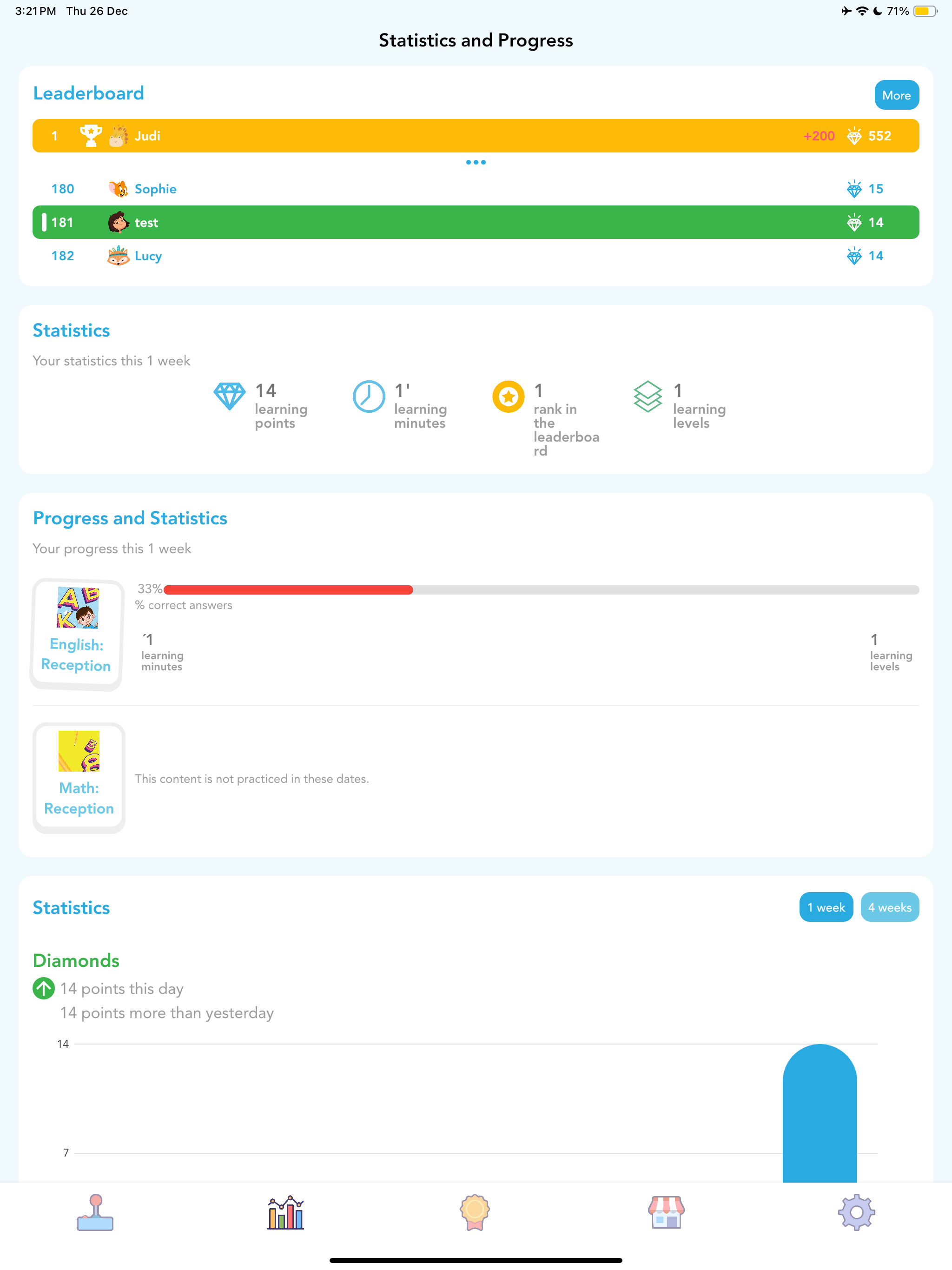
Konsistensi adalah segalanya. Sesi bahasa Arab 20 menit setiap hari lebih efektif daripada 2 jam sekali seminggu. Gunakan aplikasi terstruktur seperti Amal untuk pembelajaran inti, lalu lengkapi dengan lagu, cerita, atau percakapan dalam bahasa Arab.
Langkah 2: Gunakan Bahasa Arab Saat Aktivitas Sehari-hari
Berikan label pada benda di rumah dengan kata-kata Arab. Hitung dalam bahasa Arab saat mandi. Tanyakan "apa ini dalam bahasa Arab?" saat makan. Momen kecil ini akan terakumulasi menjadi bilingual sejati seiring waktu.
Langkah 3: Gunakan Media Berbahasa Arab
Kartun, lagu, dan buku audio berbahasa Arab membiasakan anak dengan pola bicara bahasa Arab alami. Bahkan 20-30 menit media Arab setiap hari memberikan input yang berharga.
Langkah 4: Kaitkan Bahasa Arab dengan Identitas dan Budaya
Anak-anak belajar bahasa yang terasa bermakna. Hubungkan bahasa Arab dengan keluarga, budaya, warisan, dan iman Anda. "Bahasa Arab adalah bahasa kakek nenek kami, Al-Quran, dan bangsa kami" lebih memotivasi daripada "kamu harus belajar bahasa Arab."
Langkah 5: Gunakan Aplikasi Berbasis AI untuk Pelafalan
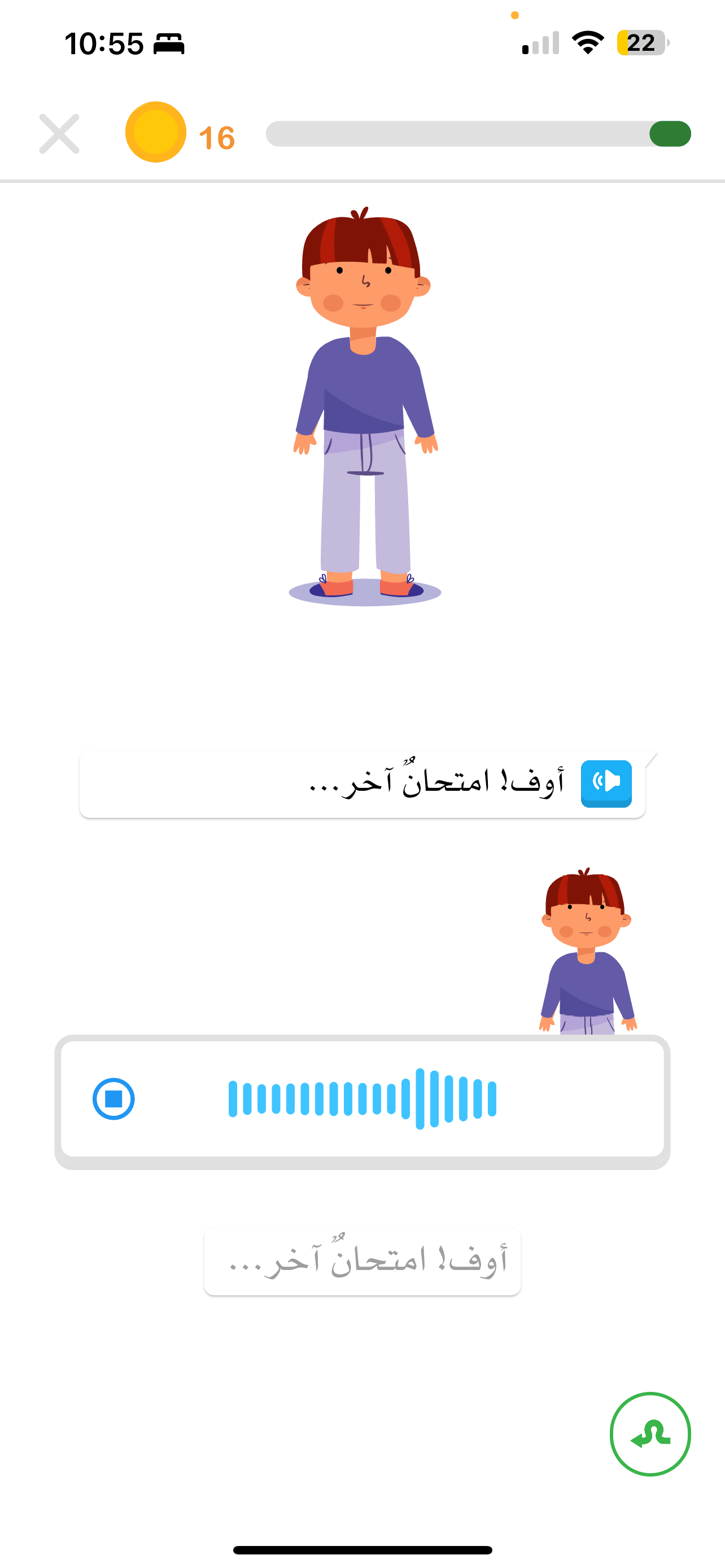
Orang tua yang tidak fasih sering khawatir memberikan pelafalan yang salah. Di sinilah pengenalan suara AI di aplikasi seperti Amal sangat berharga — AI memastikan anak mendapatkan umpan balik pelafalan yang akurat meskipun orang tua tidak bisa memberikannya.
Pertanyaan yang Sering Diajukan
Bagaimana jika saya hanya bisa bahasa Arab dasar?
Gunakan apa yang Anda tahu dan lengkapi dengan aplikasi. Anak Anda tidak perlu guru bahasa Arab yang sempurna — mereka membutuhkan paparan dan dorongan yang konsisten. Biarkan Amal menangani pengajaran terstruktur sementara Anda menciptakan lingkungan berbahasa Arab di rumah.
Kapan sebaiknya mulai mengajarkan?
Semakin dini semakin baik. Otak anak paling siap menerima bahasa baru sebelum usia 7 tahun. Namun, tidak pernah terlambat — bahkan remaja bisa menjadi mahir dengan pendekatan dan konsistensi yang tepat.
Bagaimana menjaga motivasi anak?
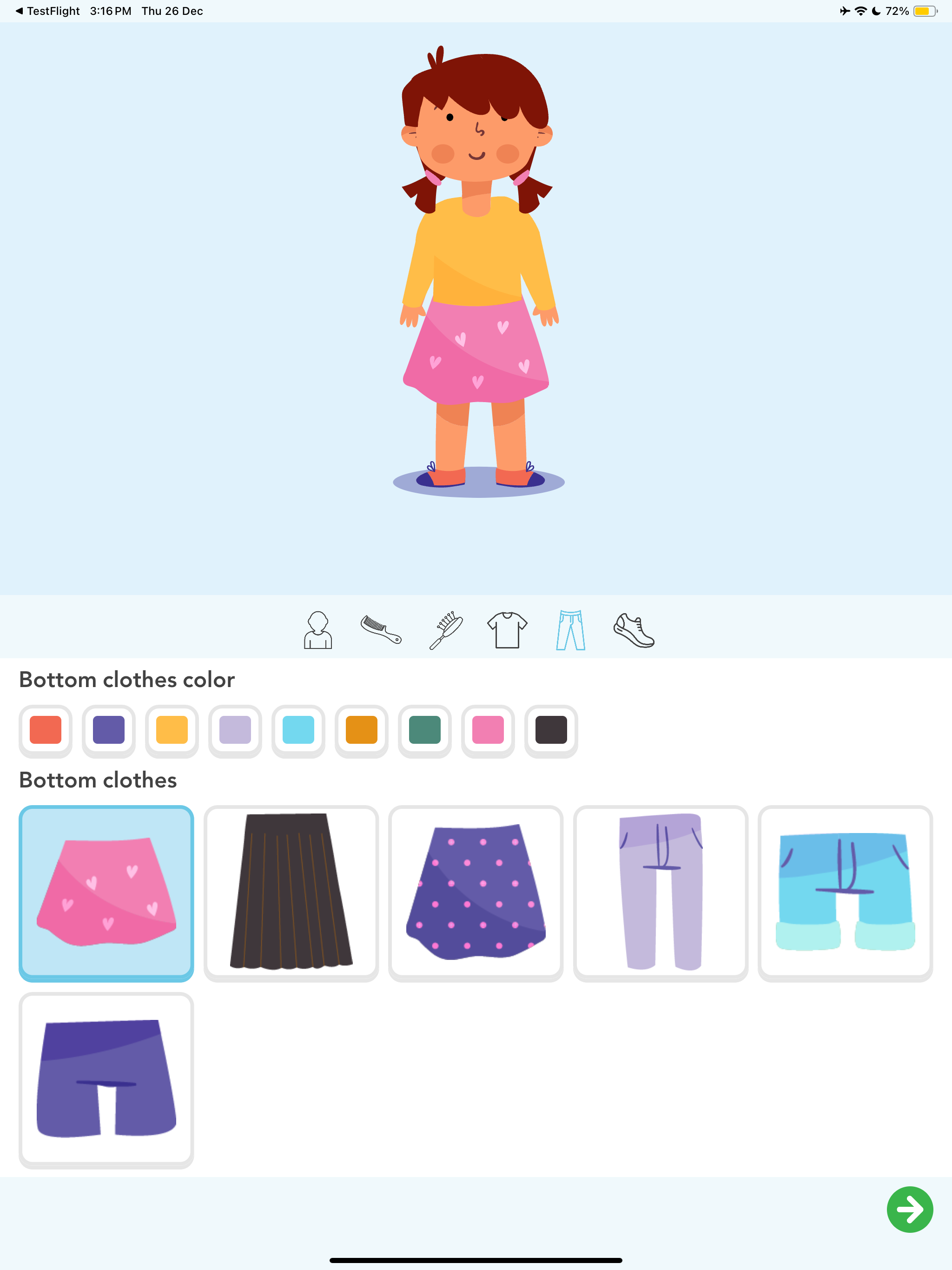
Buat belajar menjadi menyenangkan, rayakan setiap pencapaian, dan hubungkan bahasa Arab dengan hal-hal yang mereka sukai. Aplikasi gamifikasi seperti Amal menggunakan poin, hadiah, dan karakter untuk menjaga motivasi anak. Hindari menjadikan belajar bahasa Arab sebagai beban atau sumber stres.